 English (US) ▾
 Nederlands
 English (UK)
 Deutsch
 Italiano
 Português
 Español
6 Best Medical Volunteer Africa Programs to Join
Blog · July 17, 2024 · 9 min read · By Volunteering Solutions Team
If you are a medical practitioner looking for a meaningful medical volunteer program abroad, volunteer work in Africa or a pre-med, medical, or nursing student aiming to join a mission trip in Africa – then this is your chance to make a difference.
Volunteering Solutions, in association with local clinics and hospitals across Africa, has curated 6 medical volunteering programs across countries like Ghana, Uganda, Kenya, Tanzania, and South Africa – and each of these programs will help you to understand the current healthcare scenario of the country and allow you to serve the people meaningfully.
Why medical volunteers are needed (and highly appreciated) in Africa?
Well, the healthcare scenario in Africa isn’t as advanced as that of the West, and countries like Ghana, Uganda, and Kenya still have numerous challenges like inadequate infrastructure, insufficient medical supplies, shortage of healthcare professionals, and above all, lack of knowledge among the people.
Many regions suffer from limited access to basic healthcare services, leading to high rates of preventable diseases and maternal and child mortality. Apart from that, diseases like malaria, yellow fever, HIV, and tuberculosis are still prevalent in African countries, while the rest of the world has moved way ahead.
Truth to be told, the public healthcare structure in Africa is extremely fragile, and thus, the support of volunteers is invaluable. Volunteering Solutions has been hosting medical interns and volunteers across Africa, to assist the doctors and nurses in treating the patients, as well as to raise awareness among the people, to live a better life and to get vaccinated in time.
It is important to build and nurture a sustainable healthcare solution for future generations living in the underprivileged parts of Africa – and as a medical volunteer, you can play an important role.
Here are the 6 top medical programs in Africa that you can be a part of:
Medical Volunteer Program in Uganda
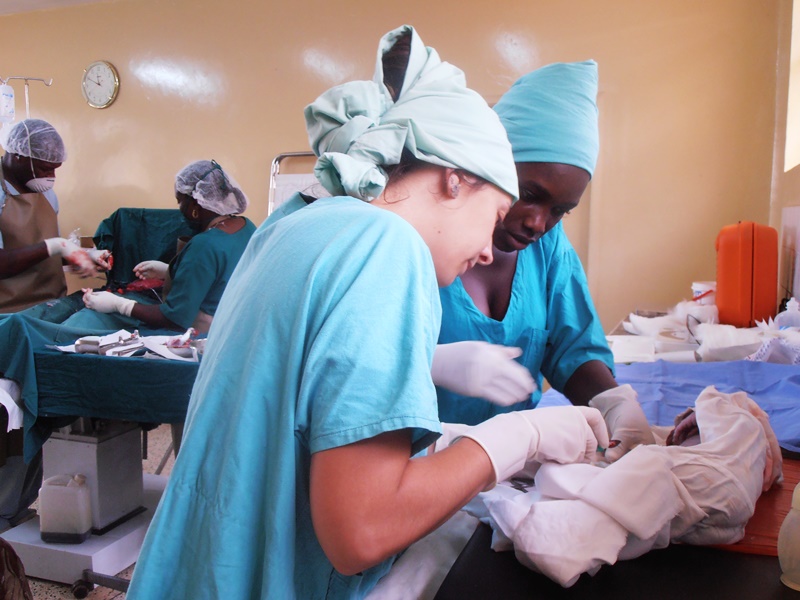
Being a volunteer for the medical program in Uganda, you’ll be placed in the Mukono Region, where you’ll be working in a healthcare center that has more than 140 beds, and the staff is inadequate. There are different departments like Radiology, Dental, Pediatric, Surgery, Maternity, OPD, etc., where you can choose to work.
As a volunteer, you’ll be working for nearly 4 to 6 hours every day, unless there’s some emergency and you are required to spend more time on duty. It’ll be a great learning opportunity, as you’ll be working alongside professional doctors and nurses, and also get a clearer idea of the healthcare system in Uganda.
Medical Volunteer Program in South Africa
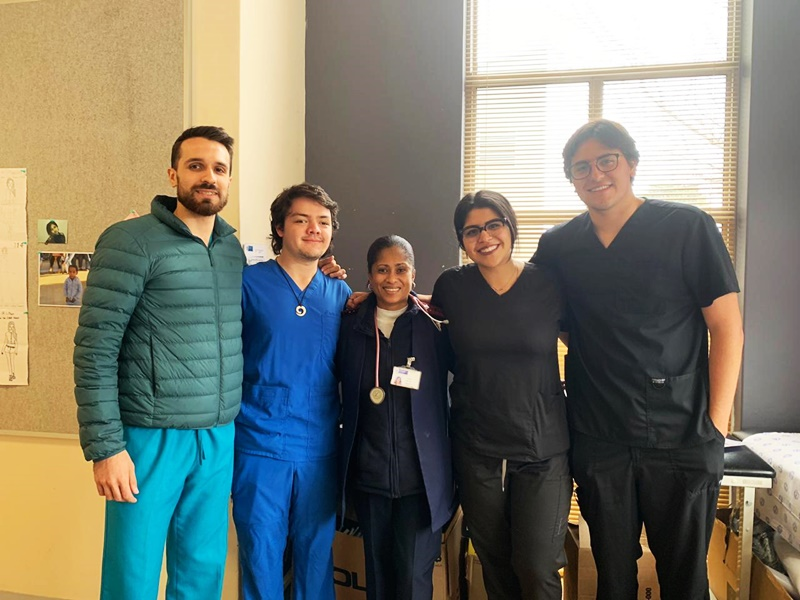
As a volunteer for the medical program in South Africa, you’ll be working in local clinics and healthcare centers located in and around Cape Town. Many of these healthcare centers also provide daycare and medical assistance to underprivileged people who can’t afford private medical care. You’ll mostly be taking care of the patients, giving them medicines on time, and also, organize HIV/AIDS awareness campaigns, as well as making people aware of childcare and healthy living. In some of the centers, counseling services are also offered, where you can work alongside professional counselors and doctors, gaining valuable international work experience.
Medical Volunteer Project in Kenya
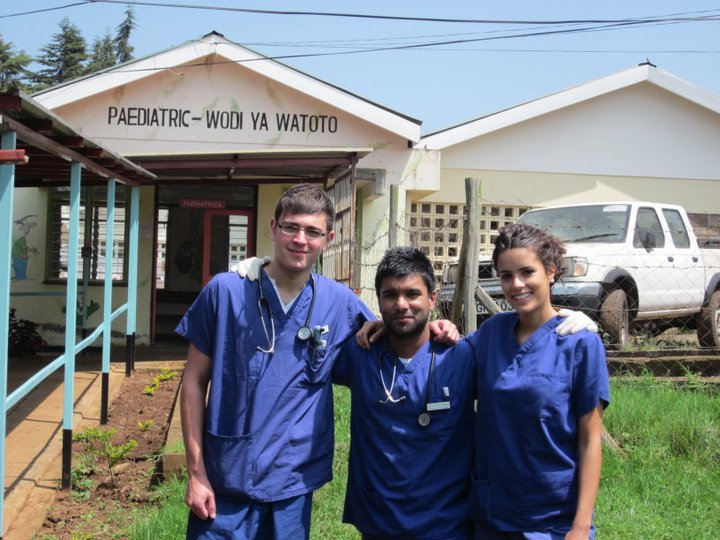
This is one of the most popular medical volunteering programs in Africa, and you’ll be working in clinics, dispensaries, and public hospitals in and around Nairobi. It’ll be a great way to serve the people and make a positive impact on their well-being.
No matter whether you are a pre-med, medical, or nursing student keen to work with professionals and learn while shadowing them, or a medical practitioner eager to contribute to the healthcare system in Kenya – your contributions as a volunteer can create a meaningful change in the lives of the people.
As a medical volunteer in Kenya, your primary responsibilities would include suturing wounds, administering vaccinations, and shadowing or observing doctors during various operations and treatments.
Medical Volunteer Project in Ghana
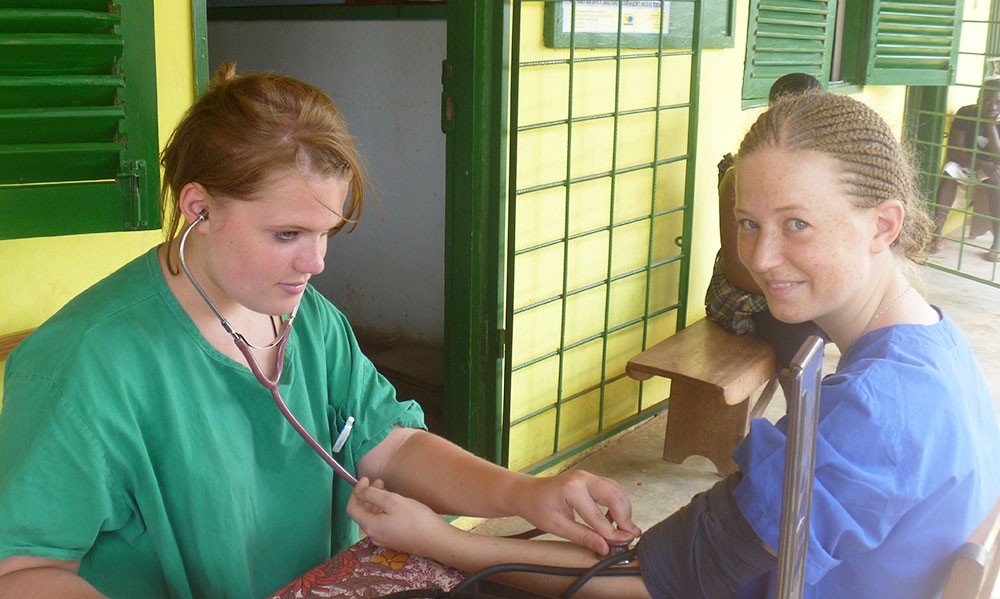
As a medical volunteer in Ghana, you’ll be working alongside the doctors, nurses, and local staff at the public hospitals and community clinics in Tamale. Volunteer work will be assigned to pre-med, medical, and nursing students based on their qualifications, experience, and knowledge.
Mainly, you’ll be assisting the professionals to carry out the day-to-day duties and take care of the patients, while observing them. If you are a qualified medical professional, you can work in the areas of mental health, counseling, maternal health care as well as the laboratories. A medical mission trip in Ghana will help you learn about the healthcare system of the country, as well as give you ample scope for peer learning.
Medical Volunteer Program in Tanzania – Zanzibar
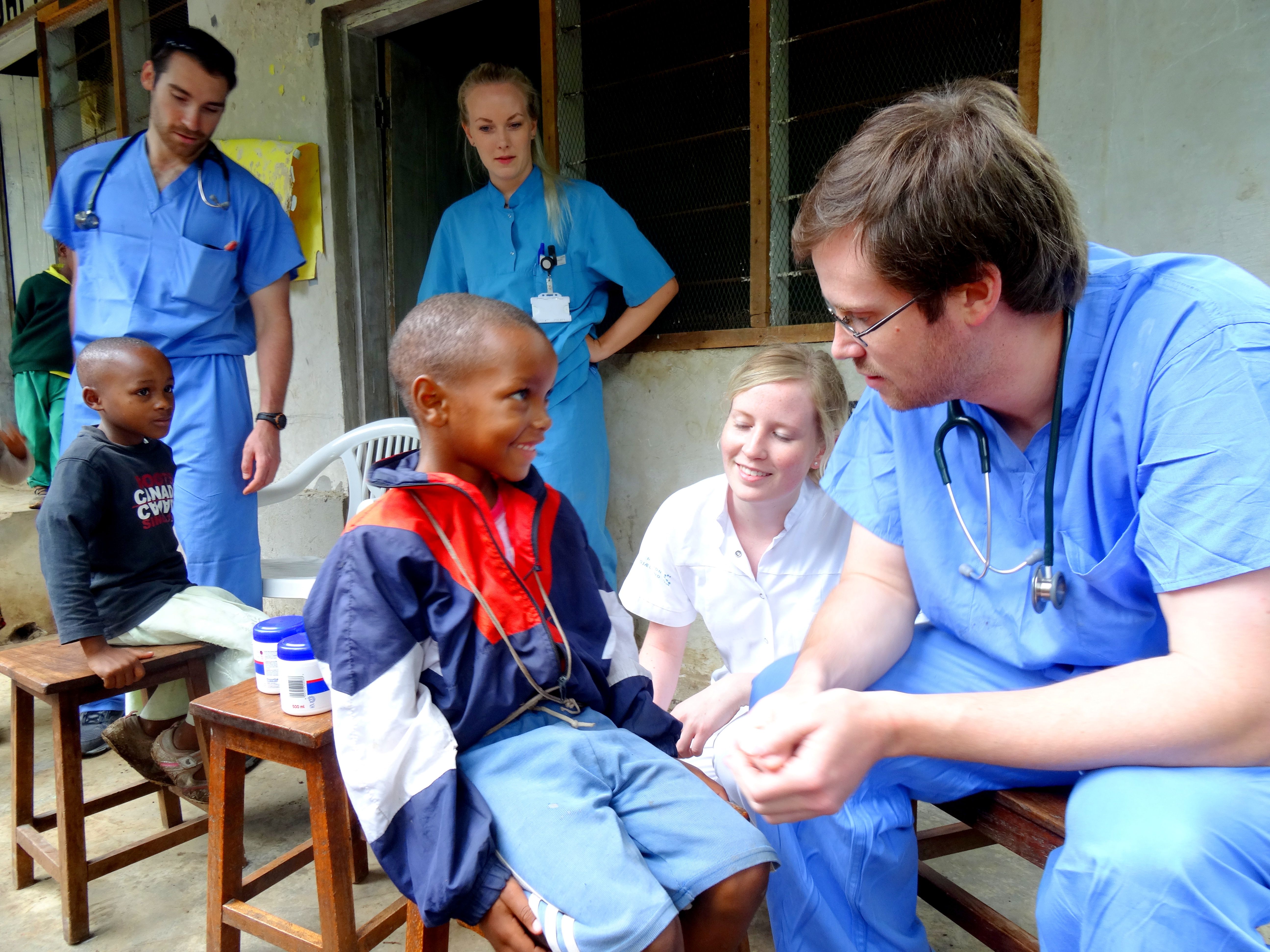
Most people plan a trip to Tanzania to climb Mt.Kilimanjaro or experience the thrilling game drives in Serengeti. But as a medical volunteer in Zanzibar, you’ll get to live close to the azure waters and the golden beaches, while working for the well-being of the underprivileged people living on this island.
As a medical volunteer in Zanzibar, you’ll mostly assist professional doctors and nurses, and you’ll have the opportunity to choose the department where you’d like to work, including the Gynecology Department, Operation Theater for surgeries, General Medicine, Physiotherapy department, First Aid department, Laboratory and research, and X-ray facilities.
As part of this medical mission trip, you’ll be actively involved in the hospital’s daily procedures, taking ward rounds, maintaining files, and doing routine patient checkups like measuring Blood pressure, pulse, fever, suturing wounds, vaccinations, etc.
Medical Volunteer Program in Tanzania – Arusha
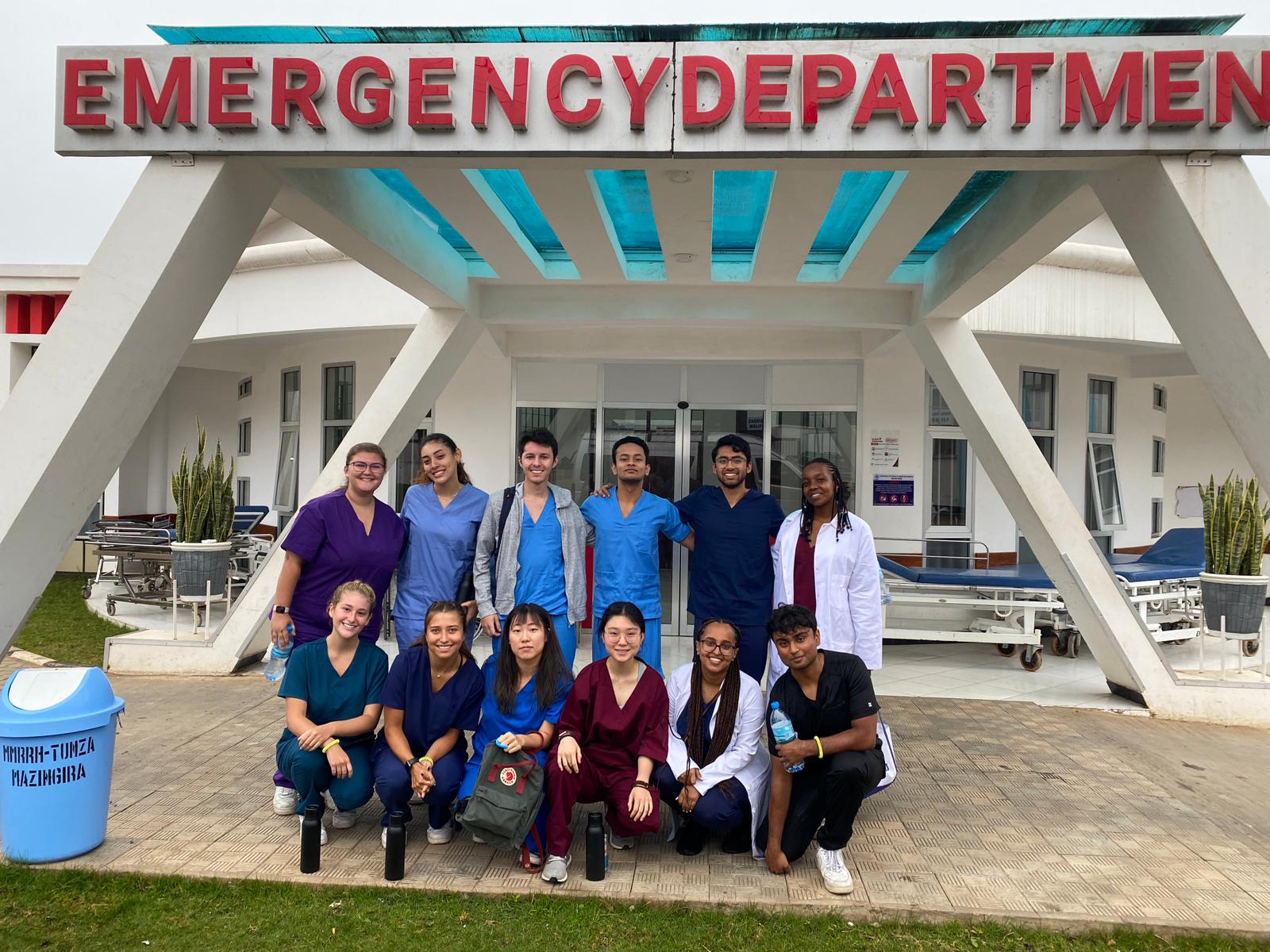
This is one of the most popular medical volunteer opportunities in Africa, and every year, we get hundreds of pre-med, medical, and nursing students as well as medical groups joining this program. The healthcare facilities in Arusha are not very advanced, and the local clinics, dispensaries as well as hospitals have inadequate staff.
Gaining first-hand learning experience will help in your career ahead as well. Especially for final/third-year medical/nursing students who are keen on working with professional doctors and nurses, this would be apt.
You will get to work in departments such as Gynecology, Operation Theater for surgeries, General Medicine, Physiotherapy department, First Aid department, Laboratory and research, and X-ray facilities. And if you are a dental student, then we can also arrange for dental elective volunteering in Tanzania.
What are the requirements to be a part of a medical volunteering program in Africa?
Here are the basic requirements to join the medical mission trips in Africa:
- Volunteers must be 18 years or older at the time of joining the project.
- Volunteers should have an open mind and a flexible attitude for working in a new and different environment.
- Volunteers should bring energy and enthusiasm to make a difference and be open to working under professional doctors and nurses.
- Pre-Med, Medical, and Nursing students, CNAs, midwifery, and dental students can join the program.
- All participants need to bring their own scrubs/lab coats to wear to the project.
Apart from that, all medical volunteers:
- Must provide a clean criminal background check report.
- Must submit a CV and a passport copy.
- Must provide other documents and credentials about their qualifications before joining the program.
If you have been thinking of joining a medical volunteer program in Africa, write to us at info@volunteeringsolutions.com and we’ll soon get back to you.
Build your career with a Medical Elective Placement Abroad.
Experience global healthcare systems firsthand, strengthen your clinical skills in real-world settings, and explore exciting destinations around the world with MedTrips.
Learn more and find your ideal elective at medtrips.co.uk, brought to you by Volunteering Solutions.
FAQs About the Best Medical Volunteer Programs in Africa
What makes these medical volunteer programs in Africa some of the best options available?
These programs were selected because they offer meaningful clinical exposure, structured supervision, and placements in hospitals and clinics that genuinely need support. Each program also provides clear learning opportunities for students and professionals at different stages of their medical journey.
How were the six medical volunteer programs in Africa chosen?
The programs were chosen based on factors such as healthcare need, quality of hospital partnerships, student learning opportunities, supervision, and past volunteer feedback. Together, they represent some of the most impactful and educational medical volunteer options across Africa.
Which African countries are included in this list of medical volunteer programs?
This guide features medical volunteer programs in Uganda, South Africa, Kenya, Ghana, and Tanzania (both Zanzibar and Arusha). Each country offers a different healthcare setting and patient demographic, allowing volunteers to choose based on their interests and experience level.
What are the main differences between the Tanzania Zanzibar and Tanzania Arusha programs?
The Zanzibar program allows volunteers to work in hospitals near coastal areas while supporting island communities, whereas the Arusha program focuses on clinics and hospitals in mainland Northern Tanzania with higher patient demand and fewer resources. Both offer strong learning experiences but in different environments.
Which program is best for students who want the most clinical exposure?
Students who are seeking broader department exposure and busier hospital settings often choose Kenya or Tanzania (Arusha). These placements typically involve working in understaffed facilities where volunteers can observe a wide range of medical cases under supervision.
Are these programs suitable for pre-med and early-year medical students?
Yes, many of the programs listed are suitable for pre-med and early-year students, particularly those focused on observation and assistance. Tasks are assigned based on experience, making sure that students learn ethically without being placed beyond their competencies.
Can qualified medical professionals also join the programs listed in this guide?
Yes, qualified doctors, nurses, and healthcare professionals can join several of these medical volunteer programs. Experienced volunteers may be involved in more specialized departments or contribute knowledge through mentoring and support roles.
How much time do volunteers usually work each day on these programs?
Most programs involve volunteering for around 4 to 6 hours per day, although schedules may vary by placement and emergencies. This structure balances learning and service with time for rest, reflection, and cultural immersion.
Do I need to choose a department before applying to one of these programs?
In many cases, volunteers can indicate departmental preferences when applying, although final placements depend on hospital needs and availability. Being flexible often leads to a more rewarding and varied learning experience.
How should I decide which of the six medical volunteer programs in Africa is right for me?
You should consider your own level of training, clinical interests, preferred location, and the type of healthcare system that you want to experience. This guide is designed to help you compare options so you can choose a program that aligns with both your learning goals and travel expectations.

Volunteering guides, program updates and travel advice from the Volunteering Solutions editorial team, written with our in-country teams across 23 countries. Arranging volunteer placements abroad since 2007.